
Intelligence behind the compute.
Compute demand, cooling and power capacity are coupled. Operators need to understand the effect of a workload or cooling change before service reliability is put at risk.
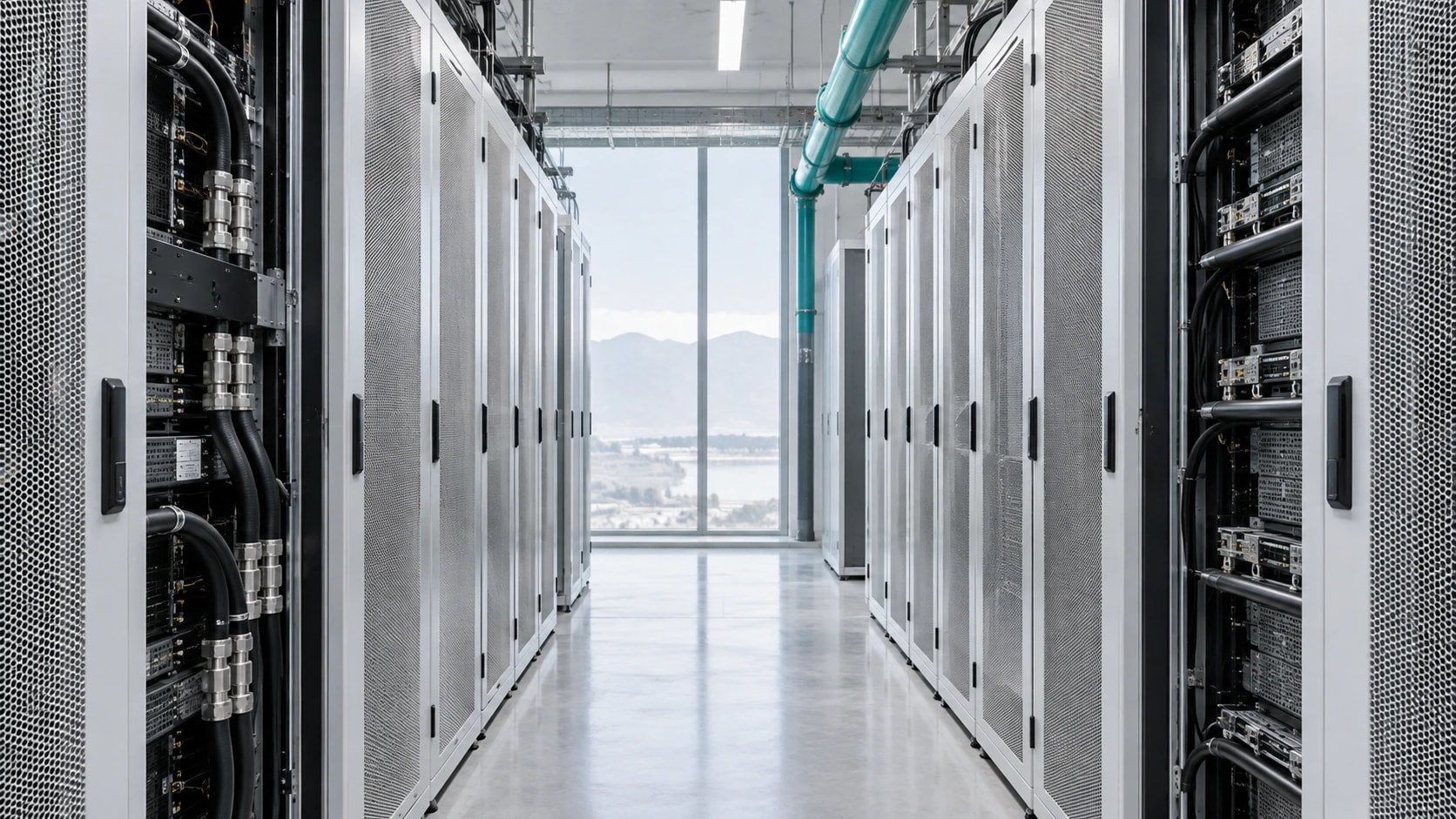
The industrial opportunity
Compute grows. Physical limits remain.
Connect facility telemetry to workload and incident context. Start with advisory cooling analysis or incident preparation, and assess energy intensity, alert quality and recovery time within agreed operating limits.
A concrete use case
Prepare a cooling incident before escalation.
One potential application. Welf connects your data and systems, engineering the application with the people who understand the operation.
The input
Facility telemetry, rack temperatures, workload changes, alarms and approved cooling-system runbooks.
What we engineer
Correlate temperature changes with equipment and workload events. Summarise the affected area, the evidence and the checks the runbook calls for.
What your team decides
The operator verifies the diagnosis and approves any change. Existing interlocks and local control remain authoritative.
A closer look
What goes into the work.
Explore the questions that matter for your project.
Connect compute, cooling and capacity.
Data centre operations · Infrastructure teams · Platform engineering
Prepare a cooling incident before escalation.
Correlate temperature changes with equipment and workload events. Summarise the affected area, the evidence and the checks the runbook calls for.
Private AI infrastructure
Design isolated model serving, identity controls and evaluation pipelines for sensitive enterprise workloads.
Capacity and reliability
Connect workload forecasts to power, cooling and maintenance constraints before scheduling capacity changes.
Integrated into your operation.
The operator verifies the diagnosis and approves any change. Existing interlocks and local control remain authoritative.
System environment
DCIM · BMS · Workload orchestration · Observability · Incident management
Responsibility
Access, permitted actions, approvals and recovery paths are defined before deployment.
Measure response time and energy intensity.
Compare similar cases with the existing workflow. Include review effort, integration and operating costs. More throughput counts only when quality holds.
Candidate measures
Triage time · Alert precision · Thermal excursions · Energy intensity at comparable load
Start in advisory mode on one cooling zone.
Agree thermal limits and compare equivalent load and weather conditions. Validate the system on historical incidents before using live recommendations.
How we workWhich operation needs better support?
Bring one concrete case, the systems involved and the outcome your team needs. We can turn that into a first scope with clear evaluation criteria.
Start a conversation